10 Hidden Oases in Dubai: Nature’s Best-Kept Secrets
Dubai isn’t just skyscrapers and shopping malls—it’s home to stunning natural retreats waiting to be discovered. For nature lovers and adventure seekers tired of the city’s hustle, these hidden oases offer peaceful escapes within reach. In this guide, we’ll explore Dubai’s surprising urban green spaces where you can picnic under palm trees, reveal coastal gems with pristine beaches away from crowds, and show you desert oases where ancient water sources create unexpected lush landscapes. Pack your camera and water bottle—Dubai’s natural side might be its most impressive feature yet.
Desert Oases: Beyond the Sand Dunes
A. Al Qudra Lakes: Tranquil Waters Amidst Desert Landscape
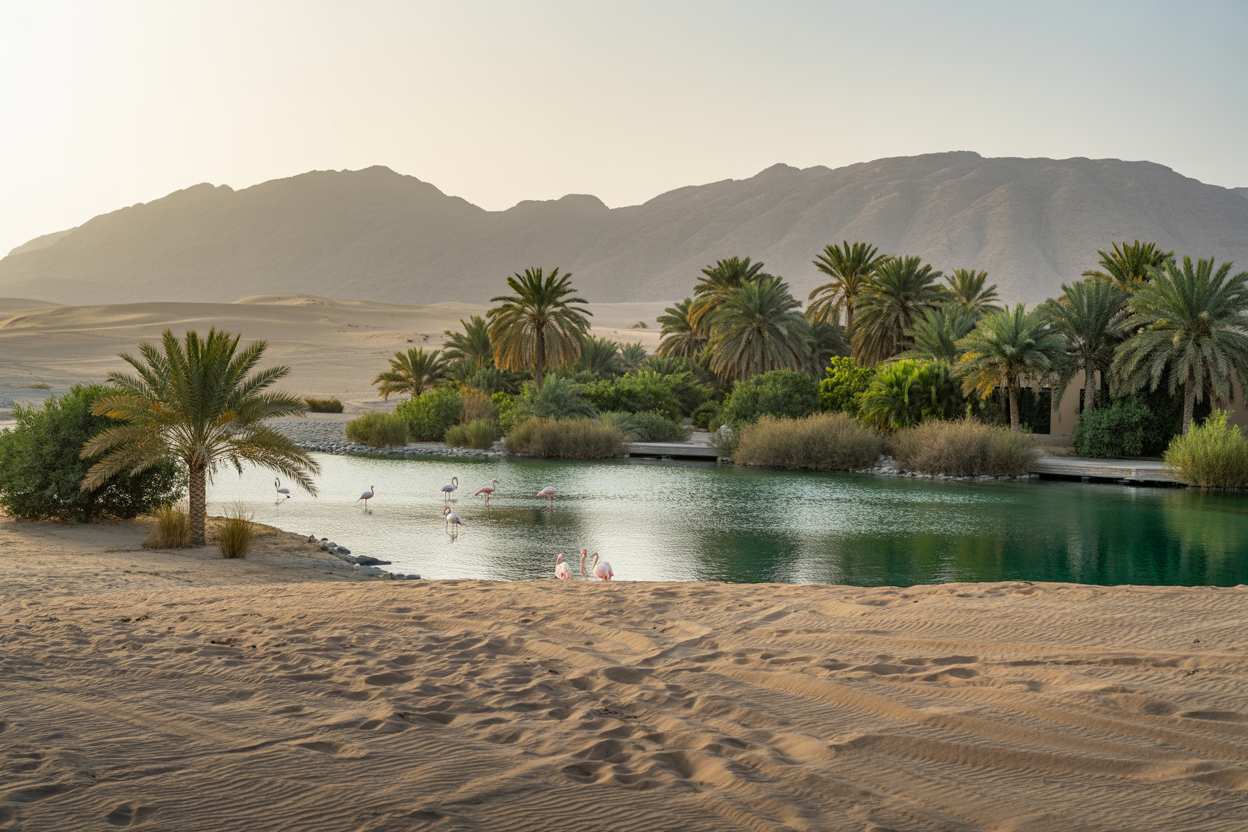
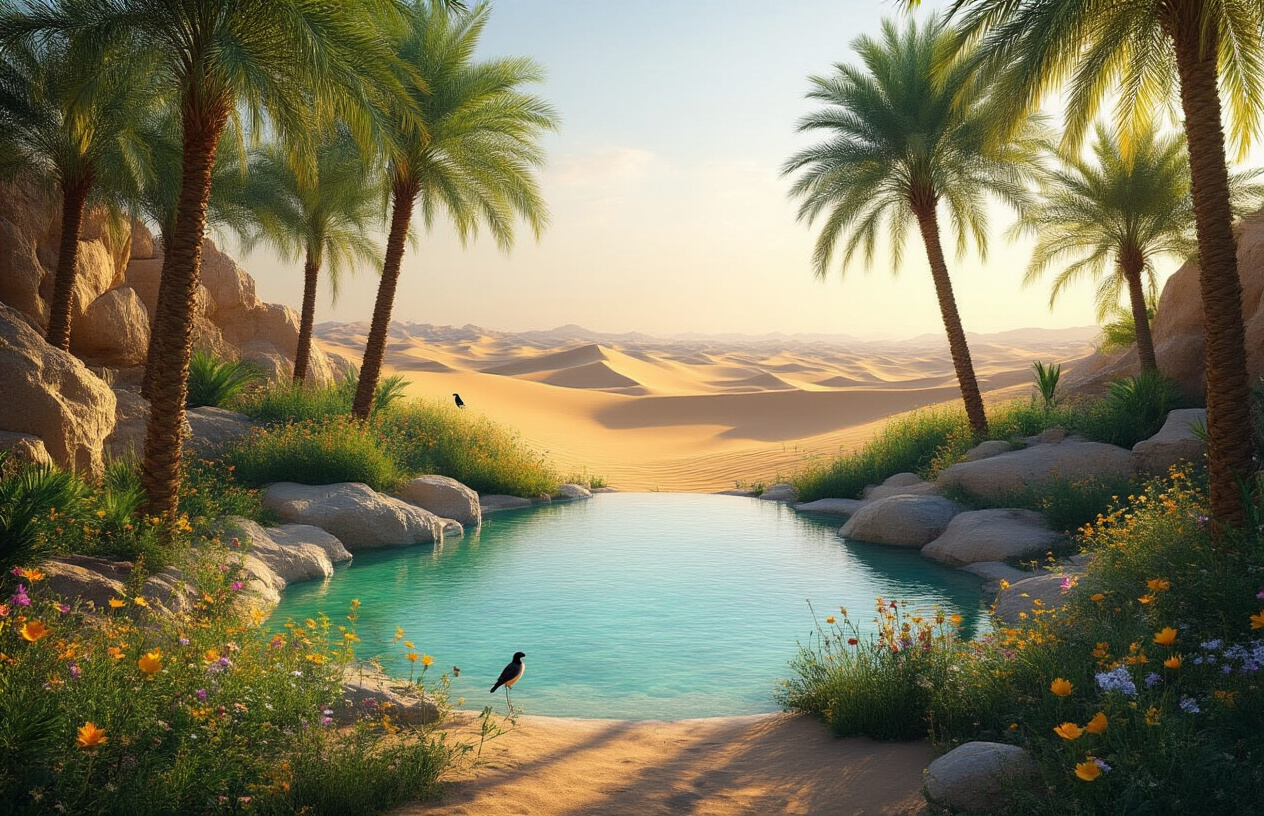
Ever wandered 30 minutes from Dubai’s skyscrapers and stumbled upon paradise? That’s Al Qudra Lakes for you. These man-made lakes might be artificial, but there’s nothing fake about the experience they deliver.
Dawn at Al Qudra hits different. The water mirrors the sky in shades of orange and pink while desert foxes sneak final sips before the day heats up. Over 170 bird species call this place home – flamingos, swans, and even the rare Steppe Eagle if you’re lucky.
Want the perfect spot? Drive around the lakes until you find a quiet corner away from the weekend warriors with their BBQs. Bring a blanket, some snacks, and just… breathe.
No fancy equipment needed here. Just you, nature, and maybe your camera. The Insta opportunities are endless, especially at the “Love Lake” section shaped like – you guessed it – intertwined hearts.
B. Love Lakes: Heart-Shaped Serenity for Romantic Retreats
Speaking of love, the heart-shaped Love Lakes deserve their own spotlight. Created in 2018, these lakes quickly became the go-to spot for couples seeking romance without the typical Dubai price tag.
The twin heart-shaped lakes are perfectly visible from above – drone photographers, this is your moment. On ground level, they offer secluded spots perfect for sunset picnics or morning coffee dates.
Wildlife spotting here gets interesting. Desert gazelles often appear at dusk, and the bird watching is top-notch. The surrounding desert plants create this surreal contrast against the blue water that feels almost otherworldly.
Pro tip: Visit on weekdays. Weekends bring crowds, and nothing kills romance faster than someone’s bluetooth speaker blasting music five feet away.
C. Hatta Dam: Turquoise Waters Surrounded by Rugged Mountains
Hatta Dam is what happens when raw mountain terrain meets perfect turquoise water. Located about 90 minutes from downtown Dubai, this dramatic landscape feels worlds away from city life.
The kayaking here? Unmatched. Paddle through the calm emerald waters while surrounded by imposing Hajar Mountains. At certain angles, the water appears almost supernaturally blue against the harsh rocky backdrop.
Unlike its desert counterparts, Hatta offers hiking opportunities along the dam and into the surrounding mountains. The trails range from easy walks to challenging climbs with views that make every drop of sweat worth it.
The nearby Hatta Heritage Village adds cultural depth to your nature trip. These restored buildings give you a glimpse into pre-oil UAE life – a perfect educational break between outdoor adventures.
Urban Green Escapes
A. Al Barari: Luxury Living Within Botanical Gardens
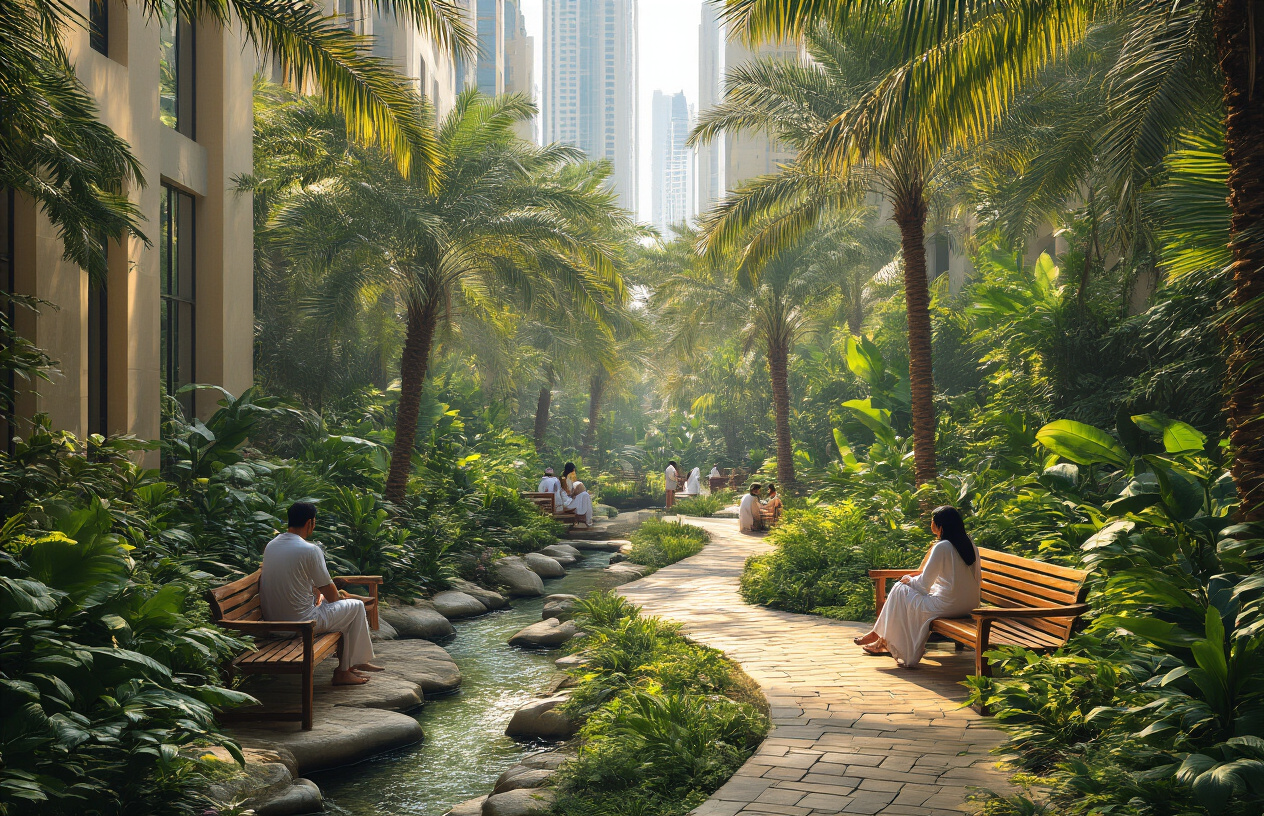
Tucked away from Dubai’s concrete jungle is Al Barari—a lush paradise that most tourists never even hear about. This isn’t just another luxury development; it’s 80% dedicated to greenery. Crazy, right?
Walking through Al Barari feels like stumbling into a secret garden with over 500 plant species from around the world. The best part? Anyone can visit The Farm—their gorgeous restaurant surrounded by waterfalls and tropical plants.
Most visitors stick to the restaurant, but here’s the insider tip: ask about the self-guided nature walks. You’ll get to explore themed gardens like the Mediterranean Garden and Woodland, completely free from crowds.
Unlike Dubai’s more manufactured attractions, Al Barari’s ecosystem has matured naturally over years. Birds you won’t see elsewhere in the city have made homes here, and the morning soundtrack of chirping and rustling leaves makes you forget you’re in a desert city.
B. Zabeel Park: Central Greenery with Hidden Corners
Zabeel Park isn’t exactly hidden—but trust me, 90% of visitors miss its best spots. While families crowd the main lawns and playgrounds, few venture to the eastern section’s Japanese garden with its quiet meditation spaces.
The park’s elevated walkway offers some seriously Instagram-worthy skyline shots that even locals don’t know about. And that weird-looking tower? It’s the Dubai Frame, but the real magic happens in the butterfly garden behind it.
I accidentally discovered the park’s hidden creek-side path last year. Follow the narrow trail past the boating lake, and you’ll find a string of secluded benches under date palms—perfect for escaping Dubai’s chaos without actually leaving the city.
C. Dubai Miracle Garden: Seasonal Blooms Beyond the Main Attractions
Everyone knows about Dubai Miracle Garden’s heart-shaped flower tunnels and Emirates A380 covered in petunias. The place is plastered all over social media. But the garden actually has secret sections that most camera-wielding tourists completely miss.
Skip the main entrance crowds and head straight to the back corners where the experimental gardens showcase bizarre desert-adapted flowers. The gardeners there love chatting about their work—just ask them about the water recycling system that makes this whole place possible in the desert.
The best time to visit? Two hours before closing on weekdays. The tour buses have left, the brutal sun has softened, and you’ll have those flower castles practically to yourself.
D. The Secret Garden at JBR: Beachside Vegetation Few Tourists Discover
The bustling JBR beach walk is tourist central—all ice cream shops and selfie spots. But almost nobody notices the small entrance between buildings that leads to a beachside garden oasis.
This pocket-sized green space feels impossibly quiet considering it’s just steps from one of Dubai’s busiest areas. The garden features native coastal plants that somehow thrive despite the salty air—a botanical miracle the developers rarely publicize.
What makes this spot magical is the contrast: one minute you’re in Dubai’s version of Miami Beach, the next you’re alone among flowering vines and shaded benches with the sea breeze filtering through palm fronds.
Grab a coffee from the walk, find the unmarked pathway near the Roxy Cinema, and enjoy what might be Dubai’s most overlooked green space. Just don’t tell too many people about it, okay?
Coastal Hidden Gems
A. Ras Al Khor Wildlife Sanctuary: Flamingo Haven in the City
Ever spotted flamingos in a bustling metropolis? Didn’t think so. Yet here in Dubai, thousands of pink feathered beauties make their home at Ras Al Khor, right smack in the middle of the city’s hustle.
This hidden gem sits at the end of Dubai Creek, covering over 620 hectares of wetland. What’s crazy is that most tourists zip past it on Sheikh Zayed Road without a clue about the wild party happening just off the highway.
The sanctuary’s name literally means “Cape of the Creek,” and it’s a paradise for bird nerds. Besides the show-stopping flamingos, you’ll spot over 180 bird species if you time your visit right.
Want the best flamingo views? Head to one of the three hides – Flamingo, Mangrove, or Lagoon. Bring binoculars if you’ve got ’em. The Flamingo Hide is usually the most rewarding spot, especially during winter mornings when these pink divas are most active.
And guess what? It’s totally free to visit! Just show up between 9am and 4pm any day except Friday.
B. Jebel Ali Wetland Sanctuary: Mangroves and Marine Life
Don’t blink or you’ll miss the turn to Jebel Ali Wetland Sanctuary. This coastal treasure sits about 35km southwest of Dubai city, hiding in plain sight near the massive Jebel Ali Port.
The sanctuary boasts some of the most pristine mangrove forests in the UAE. These salt-loving trees create a maze of roots that double as fish nurseries and natural carbon sinks. Pretty neat, right?
Morning kayak tours through the mangroves are the way to go here. As you paddle through the narrow channels, keep your eyes peeled for hawksbill turtles popping their heads up to say hello. If you’re super lucky, you might even spot a dugong (sea cow) grazing on seagrass beds.
The bird watching is killer too. Ospreys dive-bombing for fish, western reef herons stalking the shallows, and greater flamingos filtering the waters with their upside-down beaks.
Unlike its flashier Dubai cousins, this sanctuary remains delightfully undeveloped. No fancy boardwalks or visitor centers – just you and nature doing its thing.
C. Secret Beach at Jumeirah: Pristine Shorelines Away from Crowds
Sick of fighting for towel space at Jumeirah Beach? Join the club. That’s why locals guard the secret of this hidden stretch of sand like it’s the location of a buried treasure.
Tucked between two private properties and accessible through a narrow pathway near Four Seasons Jumeirah, this pocket-sized paradise offers what’s becoming extinct in Dubai: peace and quiet.
The beach stretches barely 300 meters, but what it lacks in size, it makes up for in charm. Crystal clear waters, soft white sand, and – most importantly – no beach clubs, no loudspeakers blasting techno, and no jet skis zooming past your face.
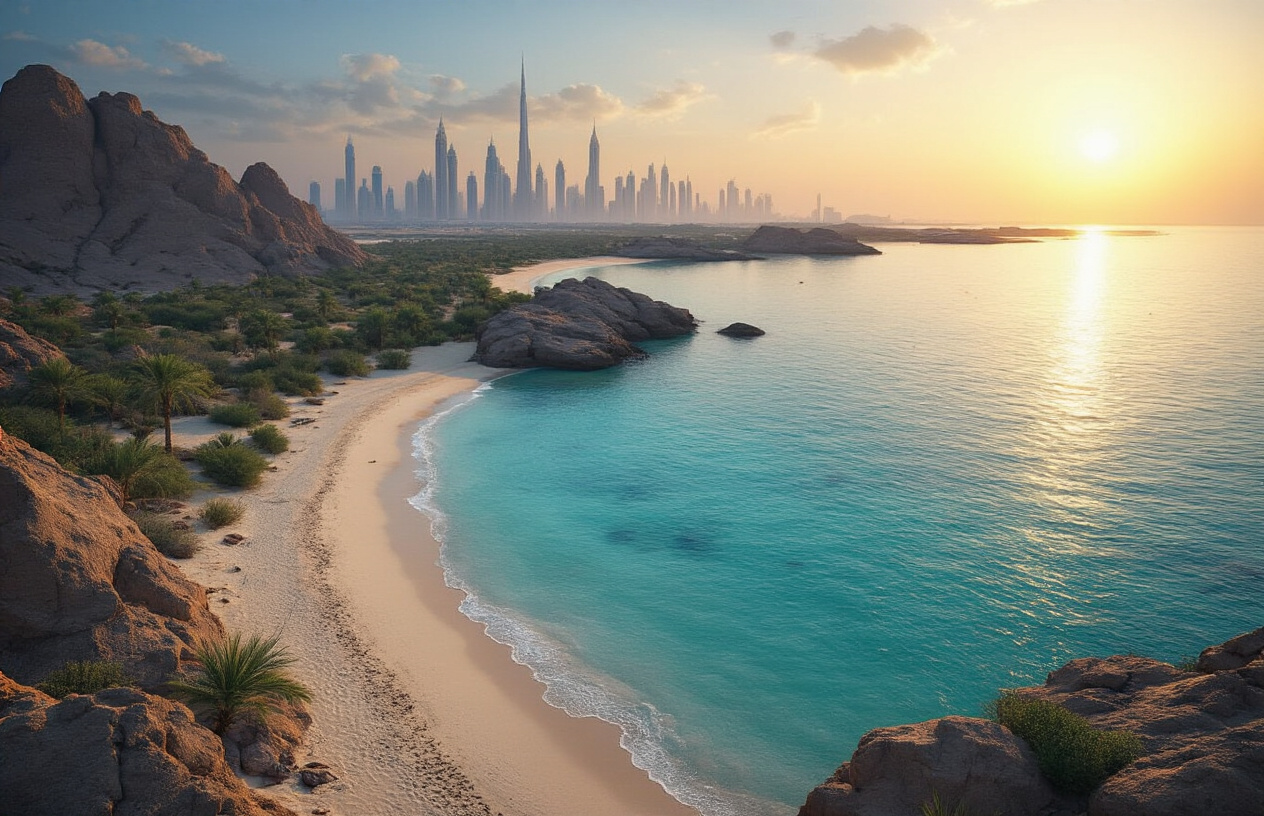
Early mornings here are pure magic. The sunlight hits the downtown skyline across the water, creating a postcard-worthy backdrop for your morning swim. And at sunset? Even better.
There are zero facilities, which is precisely why it remains uncrowded. Bring your own everything – water, snacks, shade. And please, don’t leave anything behind except footprints.
The locals who frequent this spot might give you the side-eye at first, but respect the unspoken beach code and you’ll be fine.
Mountain Retreats Near Dubai
A. Wadi Showka: Natural Pools and Hiking Trails
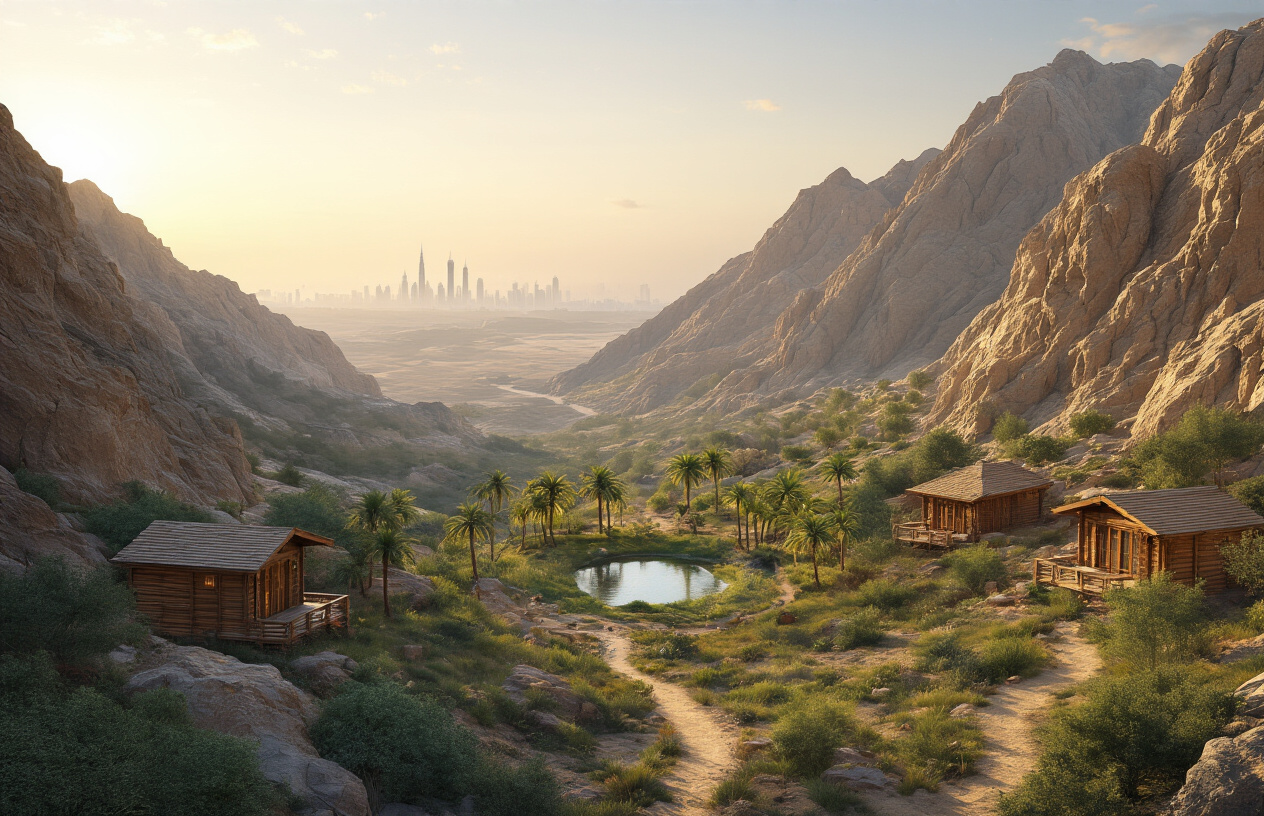
Just an hour’s drive from Dubai’s skyscrapers sits Wadi Showka, a refreshing escape most tourists never hear about. The contrast is mind-blowing – one minute you’re surrounded by glass towers, the next you’re dipping your toes in natural rock pools.
The hiking trails here range from easy walks to challenging scrambles, with the most popular route being the 8km loop that weaves through dramatic mountain scenery. After a rain, this place transforms completely – dry beds fill with crystal-clear water creating natural swimming spots between the rocks.
What makes Showka special? It’s the silence. The only sounds you’ll hear are birds, your footsteps, and maybe water trickling over stones. Bring good shoes, plenty of water, and a camera – the sunrise lighting up the rocky terrain is something you’ll want to capture.
B. Hajar Mountains Hidden Valleys: Geological Wonders
The Hajar Mountains harbor secrets that even many locals haven’t explored. These rugged peaks didn’t just pop up overnight – they’re ancient seabed pushed skyward millions of years ago.
The hidden valleys between these mountains tell Earth’s story better than any textbook. Look closely at the rock layers – those bands of color represent different geological periods. You’ll spot fossils embedded in limestone walls, evidence of when this entire region was underwater.
The best way to experience these valleys? Take the back road from Hatta to Fujairah. Stop anywhere that catches your eye – each bend reveals another jaw-dropping vista. The rock formations near Masafi particularly stand out with their twisted, folded appearance, showing how powerful tectonic forces shaped this landscape.
C. Fossil Rock: Ancient Marine Life Preserved in Stone
Fossil Rock isn’t trying to impress anyone with its name – it delivers exactly what it promises. This massive limestone outcrop rising from the desert floor is packed with marine fossils from 65 million years ago.
Running your fingers over the rock surface, you’ll feel the imprints of creatures that swam here when the entire Arabian Peninsula was submerged under a shallow sea. Shell patterns, ancient fish skeletons, and coral formations are frozen in time, creating a natural museum.
The rock itself stands like an island amid rolling sand dunes, creating an otherworldly landscape that photographers dream about. Visit at sunset when the golden light brings out the details in the fossils and turns the surrounding desert into a sea of orange.
D. Mleiha Archaeological Site: Prehistoric Landscapes and Desert Flora
Mleiha takes you way back – not just centuries, but thousands of years. This archaeological wonderland combines natural beauty with human history dating to the Paleolithic era.
The landscape itself tells two stories: one of ancient human settlement and another of resilient desert ecology. Between the Bronze Age tombs and Stone Age tools, you’ll notice specialized desert plants that survive with minimal water. Desert hyacinths pop up after rare rains, while ghaf trees extend roots 30 meters down to reach hidden water.
The Fossil Valley trail shows how this area transformed from ocean to desert over millennia. Look for fossilized mangrove roots – evidence that this parched landscape once thrived with coastal vegetation. The sunset camel trek through the surrounding dunes reveals medicinal plants used by Bedouin tribes for generations.
Cultivated Paradise Spots
A. Dubai Butterfly Garden: Winged Wonders in Natural Settings
Ever wondered what 15,000 butterflies fluttering around you feels like? That’s exactly what awaits at Dubai Butterfly Garden.
This place isn’t just another tourist trap. It’s a genuine oasis where over 50 species of these delicate creatures dance through the air in climate-controlled domes. The vibrant colors will hit you the moment you step inside – blues, yellows, oranges, and patterns you didn’t even know existed in nature.
Want to see something truly mind-blowing? Check out the butterfly emergence area where you can witness these beauties breaking free from their chrysalises. It’s like watching a tiny miracle unfold right before your eyes.
Kids absolutely lose their minds here, but I’ve seen plenty of adults (myself included) walking around with their jaws on the floor. The staff actually know what they’re talking about too, and they’re happy to answer questions without making you feel rushed.
B. The Farm at Al Barari: Organic Gardens and Wildlife
The Farm at Al Barari is what happens when luxury meets sustainability in the middle of the desert.
Tucked away from Dubai’s skyscrapers, this place feels like stepping into another world entirely. We’re talking lush greenery everywhere, flowing water features, and so many plants you’ll forget you’re in one of the driest regions on Earth.
The restaurant here uses ingredients grown literally feet away from your table. Their menu changes with what’s fresh that day – farm-to-table isn’t just a buzzword here, it’s exactly what happens.
Wildlife has figured out this spot is special too. Birds you won’t see elsewhere in Dubai make their homes in the trees, and if you sit quietly enough, you might spot some of the small desert creatures that have made this paradise their home.
C. Emirates Bio Farm: Sustainable Agriculture in the Desert
Emirates Bio Farm pulls off what seems impossible – growing organic food in the desert at scale.
This 250,000 square meter farm is the UAE’s largest organic farm, and they’re not just growing a few token tomatoes. They’re producing over 60 varieties of vegetables year-round using smart water conservation techniques that would make any environmental scientist nod in approval.
The farm tours here aren’t your typical boring walk-arounds. You’ll get your hands dirty harvesting vegetables, learn desert farming techniques that date back centuries, and see firsthand how modern tech is helping desert agriculture thrive.
They’ve got this incredible weekend farmers’ market where you can grab the freshest produce in Dubai. The difference between their tomatoes and supermarket ones? Night and day. Seriously, once you taste vegetables with actual flavor, there’s no going back.
Palm-Fringed Sanctuaries
Hidden Groves at Jumeirah: Century-Old Date Palm Collections
Ever walked through Jumeirah and completely missed the ancient date palm sanctuaries hiding in plain sight? Most tourists and even locals cruise right past these leafy treasures without a second glance.
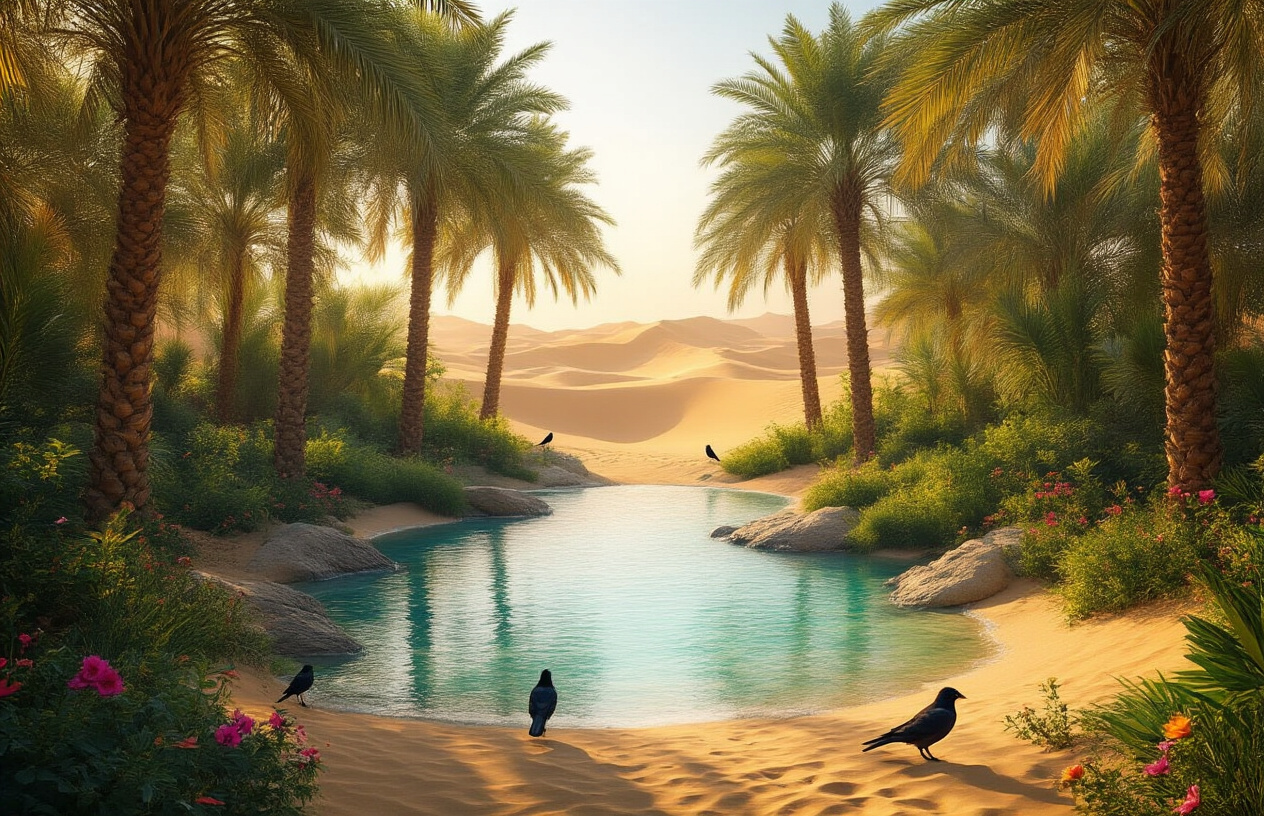
These hidden groves host date palms that have witnessed Dubai’s transformation from a fishing village to a futuristic metropolis. Some of these giants are over 100 years old, standing tall since before the UAE was even formed.
The best part? These aren’t carefully curated tourist attractions. They’re authentic pockets of Dubai’s agricultural heritage, where you can escape the city’s gleaming surfaces and touch living history.
Next time you’re near Jumeirah Beach Road, look for the walled gardens with palm fronds peeking over. The owners of these traditional properties have maintained these collections for generations.
Al Khawaneej: Traditional Farms and Date Palm Heritage
Al Khawaneej is Dubai’s time capsule. This neighborhood on the city’s outskirts still holds onto working farms where date palms aren’t decorative—they’re livelihood.
Families here have cultivated dates for centuries, using methods passed down through generations. The contrast between ancient farming techniques and Dubai’s hyper-modern skyline just minutes away is mind-blowing.
Visit during harvest season (August to September) and you might catch farmers climbing the towering trunks or sorting the sticky-sweet fruit varieties most tourists never taste.
Ghaf Tree Reserves: Indigenous Desert Survivors
The humble Ghaf tree doesn’t get nearly enough credit. While date palms get all the glory, these native trees are the true desert warriors of Dubai.
Mushrif Park houses some of the densest Ghaf populations, creating natural microhabitats where temperatures drop by several degrees once you step under their canopy.
These trees can live 120+ years and send roots 30 meters deep to find water. When everything else in the desert gives up, Ghaf trees keep going.
Bedouin tribes traditionally used every part of these trees—wood for fires, leaves for livestock, and branches for housing. Today, they’re protected national treasures, symbols of resilience in a challenging landscape.
Water Wonders
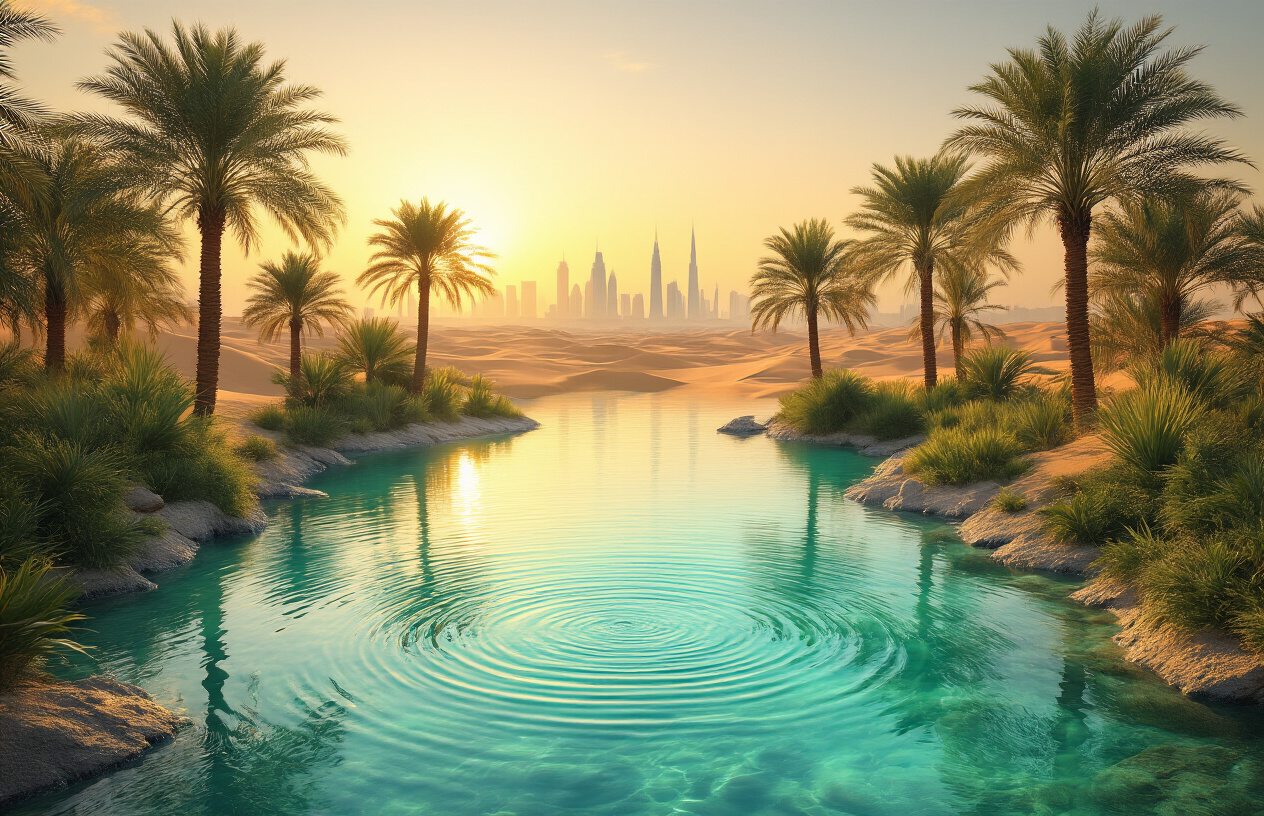
Dubai Creek Mangroves: Urban Ecosystem Overlooked by Tourists
You’d never guess that right in the middle of Dubai’s concrete jungle sits a thriving mangrove forest. Most visitors zip past Dubai Creek chasing skyscrapers and shopping malls, completely missing this green miracle.
The mangroves create this incredible buffer zone where saltwater and freshwater mix. Walk along the wooden boardwalks early morning and you’ll spot flamingos wading through shallow waters. No tourist crowds, just you and nature doing its thing.
Kayaking through these tangled roots is pure magic. The water’s so clear you can watch tiny fish darting between the underwater root systems. And the silence? You’ll forget you’re still in a city of 3 million people.
Al Warsan Lakes: Bird Watching Paradise
Dubai has a secret spot where bird nerds lose their minds – Al Warsan Lakes. This place is straight-up bird heaven with over 130 species showing up throughout the year.
The lakes formed accidentally from groundwater filling abandoned construction sites. Nature took over and boom – instant wetland ecosystem. Now you’ll find everything from kingfishers to purple swamphens calling this place home.
Dawn visits reward you with the greatest show – hundreds of pink flamingos taking flight as the sun rises. Bring binoculars and a camera with a decent zoom. The observation platforms are perfectly positioned for spotting rare migratory birds without disturbing them.
Hidden Fountains of Jumeirah: Water Features Beyond Dubai Mall
Everyone knows the Dubai Mall fountains, but Jumeirah hides water features that’ll make your Instagram followers seriously jealous.
The secret fountains tucked between residential areas in Jumeirah 1 combine traditional Arabic design with modern water engineering. They’re not just pretty – they create micro-climates that cool surrounding areas by several degrees.
My favorite? The musical fountain garden near Jumeirah Beach Hotel that hardly anyone visits. The water dances to classical Arabic music every hour, with almost no tourists around. Pure bliss compared to the crowds downtown.
Natural Springs of Hatta: Desert Water Sources
Just when you think you understand the desert, Hatta’s natural springs appear like a mirage – except they’re absolutely real.
These springs have supplied water to local communities for centuries. The most spectacular is the hidden spring near Hatta Heritage Village where crystal-clear water bubbles up from limestone bedrock, creating natural swimming pools.
The water maintains a constant 24°C temperature year-round. Even in August when Dubai bakes at 45°C, these springs offer cool relief. Local families know about them, but tourists rarely make the journey.
The minerals in these springs have healing properties according to locals. Whether that’s true or not, there’s something magical about floating in ancient desert waters while gazing up at rugged mountain scenery.
Historical Natural Sites
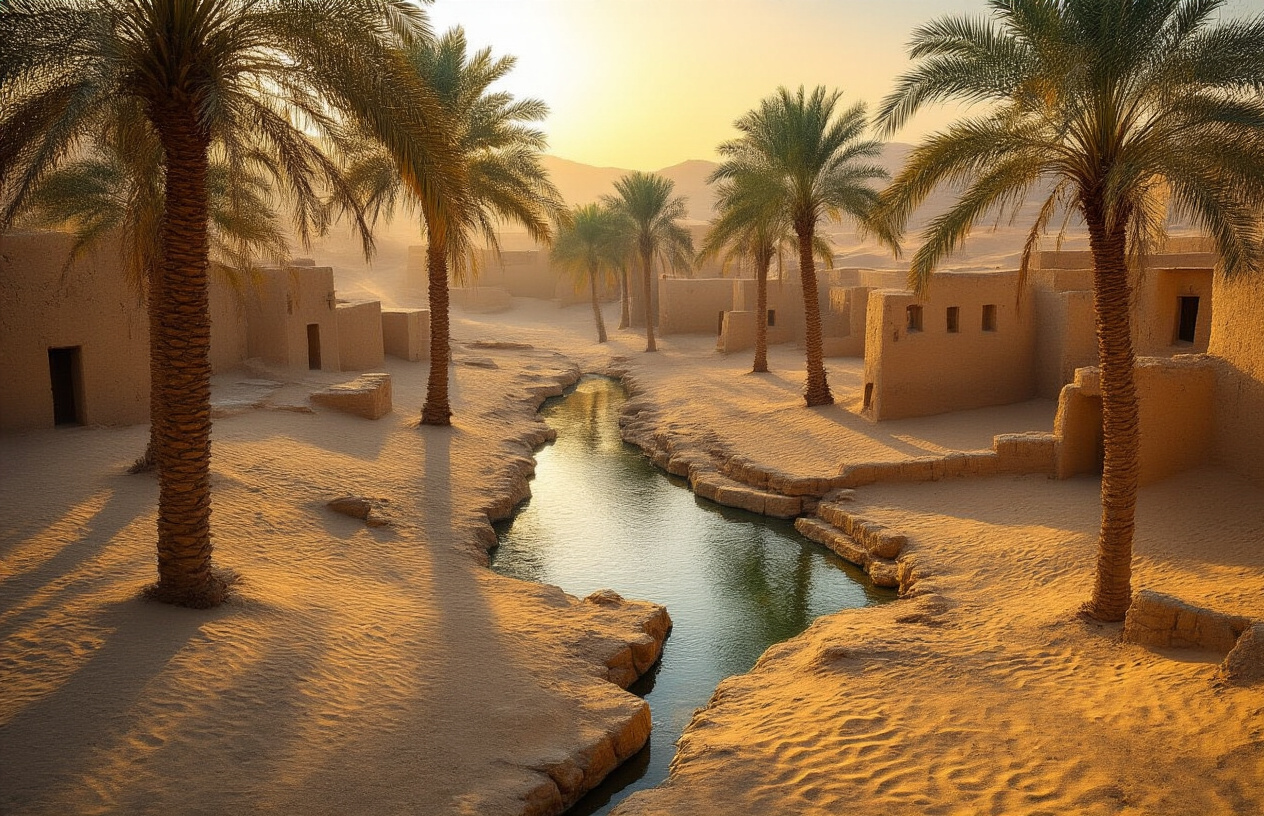
A. Al Ain Oasis: UNESCO Heritage Palm Groves
Ever walked through a living museum that’s over 4,000 years old? That’s Al Ain Oasis for you – a lush paradise with more than 147,000 date palms standing tall amid Dubai’s modern landscape.
This isn’t just any green space. The UNESCO World Heritage site spans 3,000 acres, making it the UAE’s largest oasis. Walking under the cooling shade of date palms while hearing water trickle through ancient irrigation channels is like stepping back in time.
The palm groves here aren’t just pretty – they’ve sustained life for millennia. Locals still harvest dates using traditional climbing techniques that’ll make your jaw drop. Visit during harvest season (August-September) and you might catch this impressive spectacle.
B. Liwa Oasis: Ancient Desert Cultivation
The Liwa Oasis sits at the edge of the Empty Quarter – the world’s largest sand desert. Talk about dramatic settings!
This crescent-shaped collection of villages has been a desert farming miracle for centuries. Bedouin tribes figured out how to grow dates, lemons, and vegetables in one of Earth’s harshest environments.
What’s mind-blowing is how they transformed these brutal desert conditions into productive farmland. Traditional methods still used today involve creating windbreaks with palm fronds and using the oasis’s natural depression to access groundwater.
C. Traditional Falaj Water Systems: Natural Irrigation Marvels
The falaj system is ancient engineering genius at its finest.
These channels, some dating back 3,000 years, distribute water from underground sources to farms without pumps or electricity. The water flows purely by gravity through precisely calculated gradients.
The real magic? These systems are community-managed. Water rights are measured in time rather than volume using a sundial system called “Al Saaha.” Each farmer gets allocated specific time slots when they can divert water to their fields.
At Al Ain and Liwa, you can see these irrigation channels still functioning exactly as they did centuries ago. It’s sustainable farming technology that predates modern engineering by millennia.
Seasonal Natural Phenomena
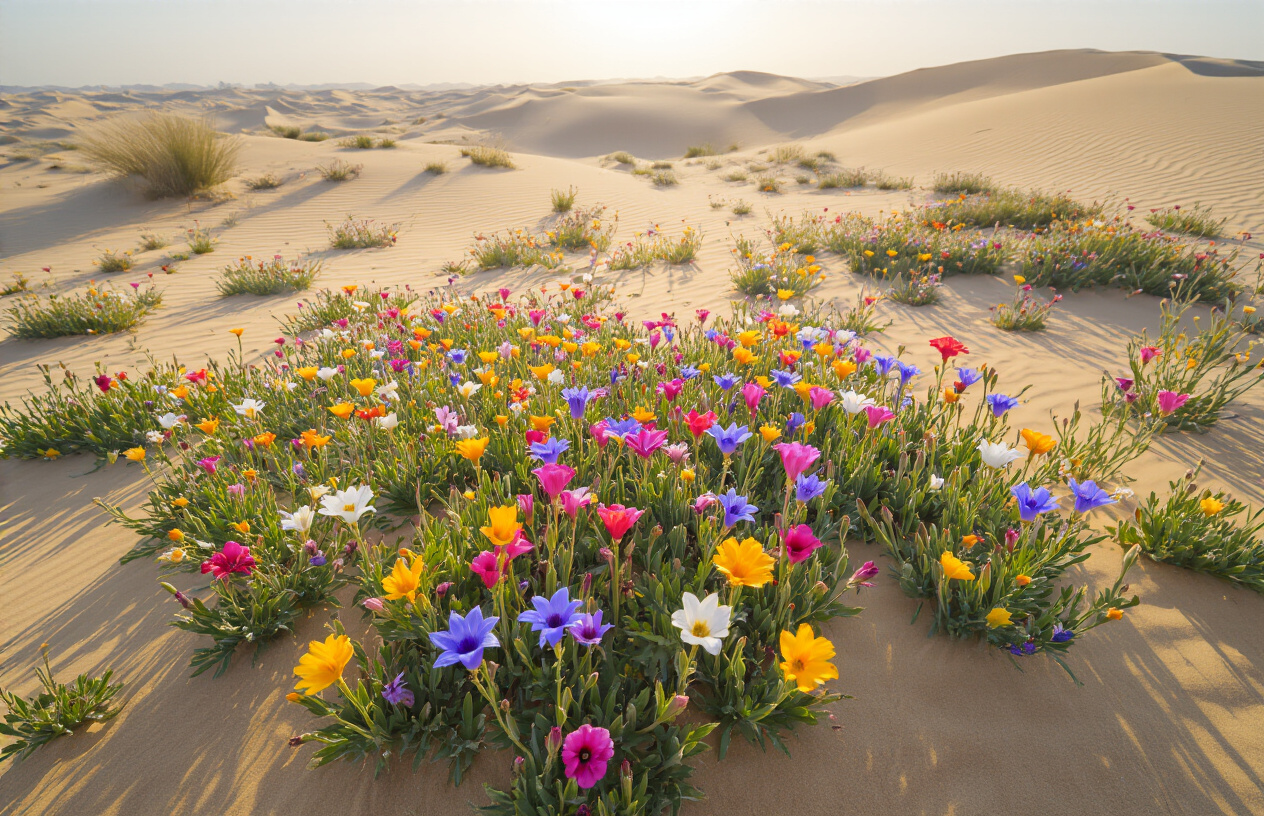
A. Desert Blooms: Post-Rain Wildflower Carpets
Ever seen a desert transform overnight? It happens right here in Dubai. Those rare rain showers aren’t just welcome relief—they’re magic makers. Within days, patches of seemingly lifeless sand burst into carpets of purple, yellow, and white wildflowers.
Most visitors have no clue this happens. They picture Dubai as just endless dunes, but locals know better. After a good rain, grab your camera and head out early morning to spots like Al Qudra or the outskirts of Al Ain. The contrast is mind-blowing—vibrant blooms against golden sand.
These flowers don’t mess around. They germinate, grow, flower, and seed in just weeks before disappearing again. Mother Nature’s pop-up shop, basically.
B. Temporary Lakes: Rain-Formed Desert Pools
Dubai’s desert doesn’t just bloom after rain—it actually creates temporary lakes that most tourists never see. These crystal-clear pools appear suddenly in desert depressions, reflecting the sky like mirrors.
The coolest one forms near the Dubai-Al Ain Road after heavy winter rainfall. Locals call it “Sky Lake” because of how perfectly it captures cloud reflections. These pools might stick around for a few days or several weeks, depending on temperature.
Desert animals show up like they’ve been sent invitations. Gazelles, desert foxes, and all sorts of critters come to drink and play.
C. Migratory Bird Spots: Seasonal Visitors
Dubai sits smack on a major bird highway between Africa and Asia. During migration seasons, particularly October-November and March-April, the city becomes a five-star hotel for feathered travelers.
Ras Al Khor Wildlife Sanctuary is the celebrity hotspot. Pink flamingos steal the show, but they’re just the headliners. Over 180 species make pit stops here, from eagles to tiny warblers.
The Al Qudra Lakes attract dozens of species too. Get there at sunrise with binoculars, and you might spot rare birds like the greater spotted eagle or Asian hoopoe taking their vacation in Dubai.
D. Ghaf Tree Flowering: Brief Desert Celebrations
The humble Ghaf tree—Dubai’s real MVP. These tough survivors dot the desert landscape, but once a year they put on a show that most visitors completely miss.
For about two weeks in late spring, these ancient trees erupt in tiny cream-colored flowers that give off the most incredible honey-like scent. It’s subtle, not showy like cherry blossoms, but somehow more special because you have to know when and where to look.
Find them in clusters around Al Marmoom and the desert conservation reserves. Local Bedouin traditions say the flowering signals the changing seasons better than any calendar. The honey produced during Ghaf flowering season is considered liquid gold—intensely aromatic and super rare.
Accessible Wilderness Areas
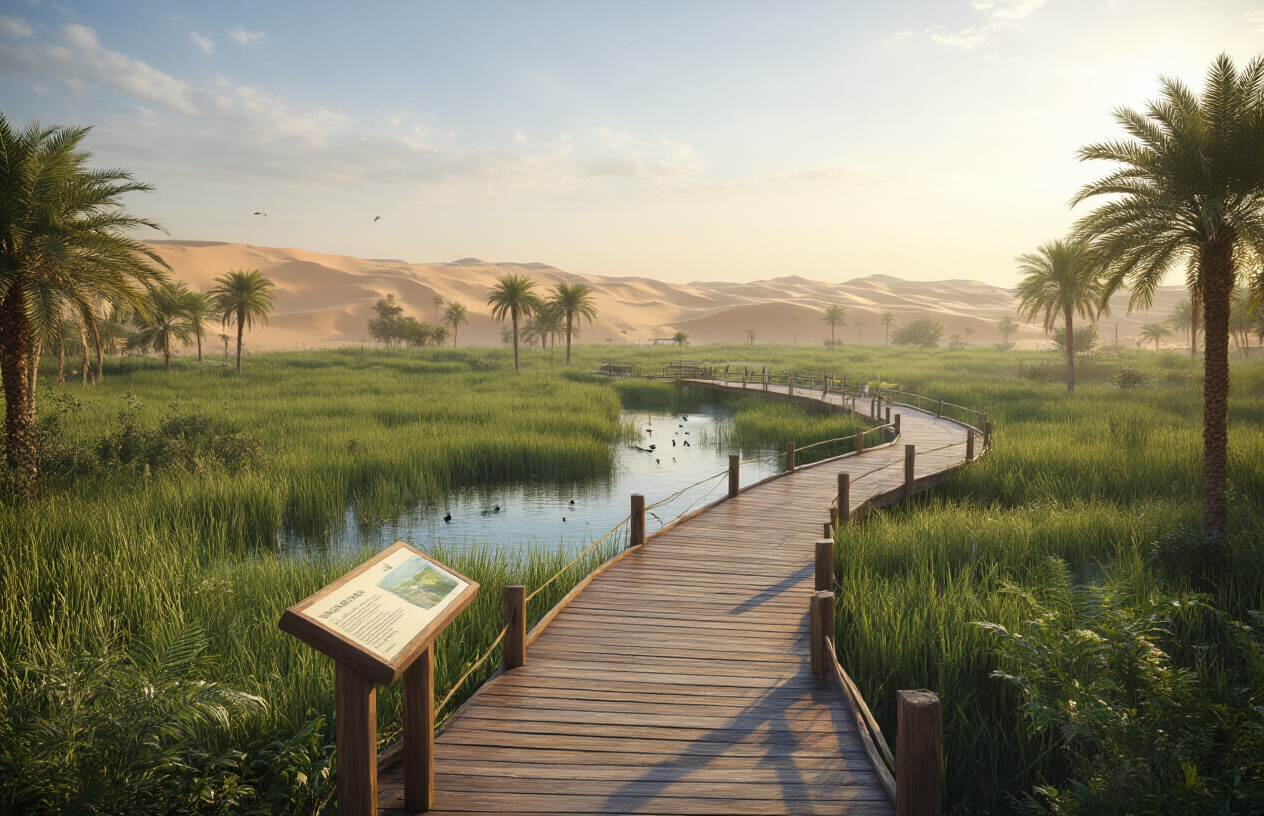
Al Marmoum Desert Conservation Reserve: Protected Dunes and Wildlife
Ever wondered where Dubai’s original inhabitants – the gazelles and oryx – still roam free? They’re right here, just 40 minutes from the skyscrapers.
Al Marmoum isn’t your typical tourist spot. It’s 10% of Dubai’s total area but gets maybe 1% of its visitors. Their loss, your gain.
The reserve protects some of the last pristine desert ecosystems in the Emirates. Morning drives here reveal Arabian gazelles sprinting across dunes at 60 mph (no joke), while desert foxes peek from behind hardy ghaf trees.
What makes this place special? No crowds. No noise. Just you and sand that’s been shaped by wind for thousands of years.
Dubai Desert Conservation Reserve: Rehabilitation Projects and Native Species
The DDCR is basically Dubai’s wildlife comeback story. Back in 1999, this place was on the brink of ecological collapse. Now? It’s home to over 560 different animal and plant species.
This 225-square-kilometer sanctuary isn’t just pretty to look at. It’s where scientists have successfully reintroduced Arabian oryx – animals once declared extinct in the wild.
Want the inside scoop? Book one of the limited-entry conservation tours instead of the typical desert safaris. You’ll see how they’re using traditional Bedouin knowledge alongside modern conservation tech.
The reserve only allows a small number of operators in, keeping the experience authentic and the impact minimal.
Mushrif National Park: Indigenous Forest Within City Limits
Think Dubai is all skyscrapers and malls? Drive 15 minutes from downtown and you’re suddenly surrounded by 5,000 ghaf trees in Mushrif Park.
This 1300-acre green space is the closest thing Dubai has to a natural forest. The ghaf trees here aren’t landscaped additions – they’re survivors from the original woodland that covered this area centuries ago.
Locals call this “the lungs of Dubai,” and they’re not exaggerating. The temperature drops noticeably as soon as you enter the park’s boundaries. It’s literally a microclimate within the city.
The walking trails wind through dense areas where you’ll spot desert hares, Arabian spiny mice, and if you’re really lucky, the elusive pharaoh eagle-owl.
Al Wathba Wetland Reserve: Flamingo Habitats Just Outside Dubai
Ever seen 4,000 flamingos gathered in one spot in the middle of the desert? That’s the surreal scene at Al Wathba, just a quick drive from Dubai.
This accidental ecosystem started as a treated wastewater lake in the 1980s. Mother Nature took it from there, transforming it into one of the few breeding sites for greater flamingos in the Arabian Peninsula.
The flamingos aren’t the only surprise. Over 250 species of birds, 35 plant species, and countless insects have moved in, creating a vibrant wetland ecosystem where there should be only sand.
Visit between November and April to see the flamingos in their full pink glory. The boardwalks get you close enough for amazing photos without disturbing them.
Sir Bani Yas Island: Wildlife Conservation and Natural Landscapes
Half nature reserve, half luxury getaway, Sir Bani Yas Island is what happens when a sheikh decides to create his own Noah’s Ark.
The late Sheikh Zayed bin Sultan Al Nahyan transformed this natural island into a wildlife sanctuary where over 13,000 animals now roam free. We’re talking cheetahs, giraffes, and hyenas living alongside native Arabian species.
What makes this place different from a zoo? The 87 square kilometers of natural habitat. Animals here behave like they would in the wild because, well, they basically are in the wild.
The guided safari drives are the main attraction, but the hiking trails along the salt domes and through the mangrove forests show you parts of UAE ecology you never knew existed.
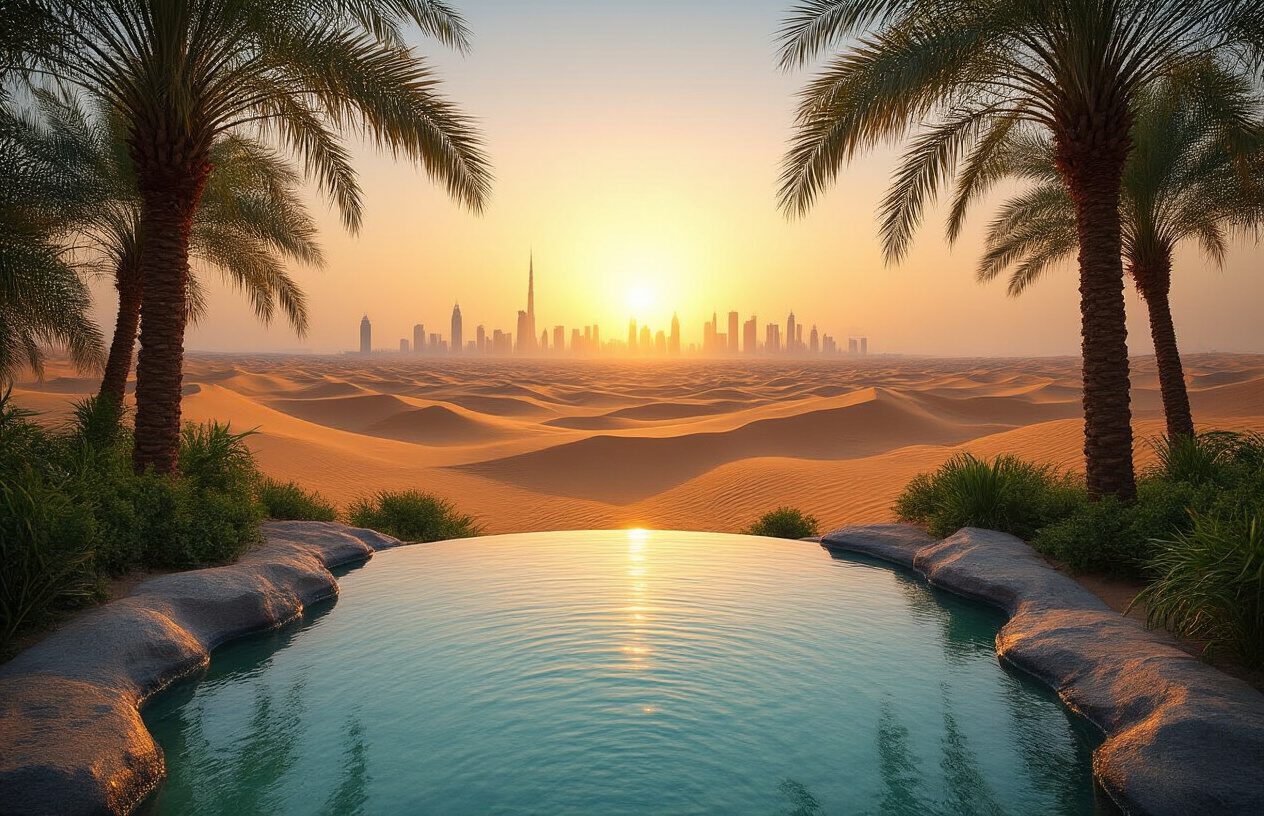
Discovering Dubai’s hidden natural retreats offers a refreshing alternative to the city’s famous urban attractions. From tranquil desert oases and lush urban parks to pristine coastal spots and nearby mountain escapes, these natural sanctuaries provide welcome respite from the metropolitan buzz. The historical natural sites and seasonal phenomena add layers of cultural and environmental significance to your exploration.
As you plan your next Dubai adventure, consider venturing beyond the familiar landmarks to experience these natural treasures. Whether you’re seeking solitude, adventure, or simply a moment to reconnect with nature, these ten hidden oases showcase the remarkable ecological diversity that exists alongside Dubai’s architectural marvels. Pack your camera, bring plenty of water, and prepare to be amazed by the natural beauty waiting to be discovered in this extraordinary emirate.